Every glaze we sell was a test tile first.
We throw stoneware tableware on two wheels in Copenhagen and fire it to 1,280 °C in a gas kiln. Before a glaze goes near a plate it goes on a tile like these, through ten firings, two hundred dishwasher cycles and a microwave. Out of forty-odd recipes, five made it.
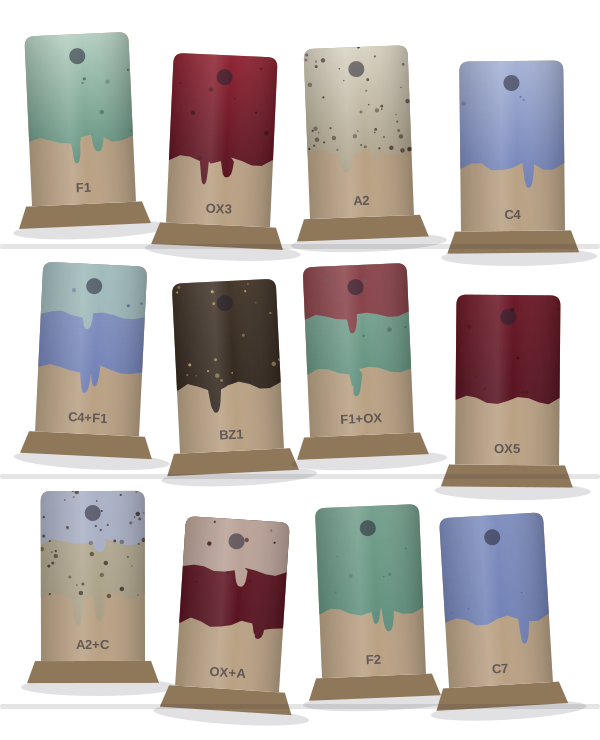
The shelf above the wedging table. Codes like C4+F1 mean Chun dipped over Fjord; that one is on the pasta bowls.
Out of the last firing
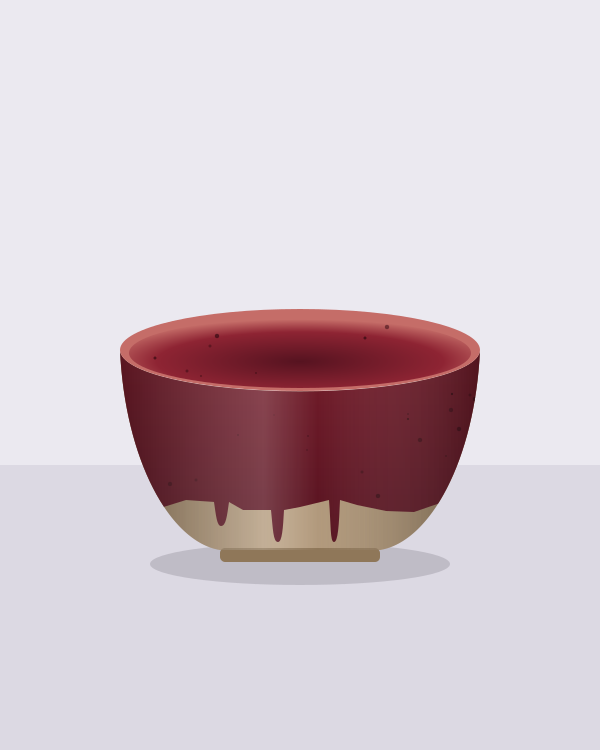
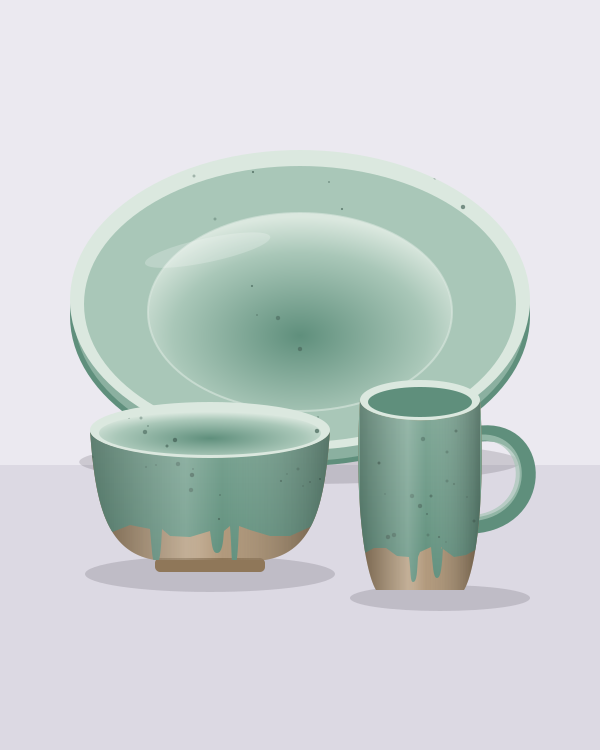
What came out of the kiln well enough to photograph. Each piece is shown in one glaze; most come in four.
All pieces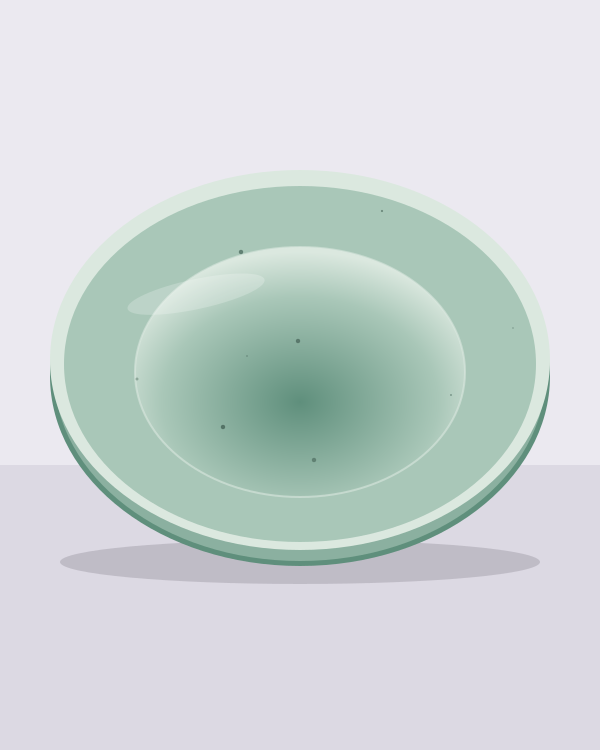

Five glazes, and what each one will put up with
Most shops write “dishwasher safe” across the whole range. Two of ours need more care than that, and one is not for food at all, so we say which.

Fjord
Glossy celadon, darker where it pools.
Everyday, all four
Oxblood
Copper red. Varies most from piece to piece.
Everyday, all four
Chun
Thick milky blue that gathers violet.
Not for baking
Ash Speckle
Satin, with iron flecks from the clay.
Cutlery marks show
Bronze
Matte metallic. Vases and outsides only.
Not for foodTick what you do with your dishes (microwave, dishwasher, oven) and it tells you whether a glaze fits, and which one to pick if it does not.
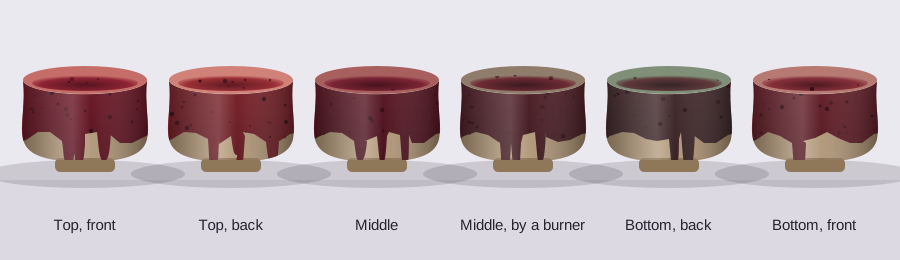
The same glaze, six places in one kiln
These six bowls were dipped in the same bucket on the same afternoon. The flame reached them differently, and that is the whole difference.
- Up to eight of a kind in one glaze come from a single firing and vary only as much as one kiln varies.
- More than eight come from two firings three weeks apart. We tell you before we ship.
- Oxblood varies most, Fjord and Ash Speckle least. If you want a quiet table, start there.
Just unpacked
The newest listings, seconds included. Seconds have a cosmetic fault we photograph for you before shipping, and cost about thirty per cent less.
All pieces
Three weeks from a lump of clay to your table
This is why a sold-out piece comes back in about three weeks and not tomorrow.
- Days 1–2
Throw
Weighed clay, centred and pulled. A dinner plate starts at 1.4 kg.
- Days 3–4
Trim
Leather-hard, turned over, the foot ring cut. Handles go on mugs now.
- Days 5–10
Dry
Slowly, under plastic. Rush it and the rims crack.
- Day 11
Bisque
A first firing to 950 °C, so the clay can be handled and dipped.
- Days 12–16
Glaze
Dipped by hand, then the foot wiped clean so it does not fuse to the shelf.
- Days 17–20
Fire & check
Fourteen hours to 1,280 °C, two days to cool, then every piece checked.
From people eating off them
“My four Oxblood bowls are four different reds, one of them nearly brown. I was warned twice, once on the product page and once in the order email, and the brown one is the one everybody reaches for.”
Ingrid HolmAarhus, breakfast bowls
“I asked for twelve plates. They talked me down to eight in Fjord and four in Ash Speckle, and they were right.”
Tom WhitcombeBristol, dinner plates
“Bought a Chun pasta bowl and baked in it anyway. It crazed, exactly as the page said it would. Still use it, for salad.”
Sofie BakCopenhagen, pasta bowl
Come and pick your own from the shelf
If variation worries you, the studio is the answer: choose the four bowls you like best from the twelve on the shelf. Seconds are on the low shelf by the door.
Thursday and Friday 12:00–18:00, plus the Saturday after every kiln opening.